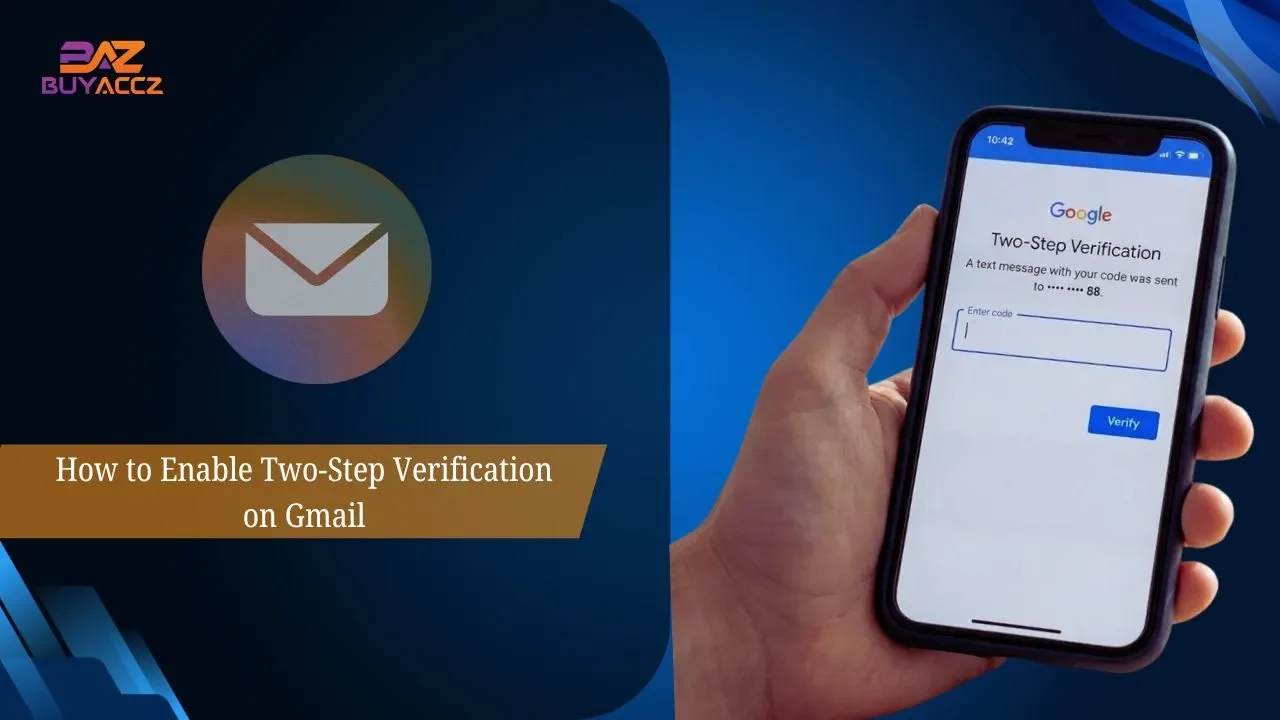
Two-step verification in Gmail is an extra layer of security used to ensure that people who really are you can access your account. By implementing a second type of identification in addition to your password, you drastically minimize the possibility of hacking or data leakage.
This extra layer of protection involves entering a code (that is sent to your phone or created using an authenticator app) when logging in, meaning only you can log in; setting up two-step verification on Gmail is easy and has a huge reward protecting your emails, contacts, and sensitive information.
Whether you are using WhatsApp casually or managing important business conversations, turning this feature on is one of the smartest steps to build up your account’s security and privacy in today’s digital world.
What Is Two-Step Verification on Gmail?
Gmail Two-Step Verification (2SV) is a strong authentication method for Google accounts that adds an extra layer of security to your Gmail.com account by requiring two-step verification to log in. It’s called two-step verification, and it occurs beyond just entering your password. After you enter your password, users will need to use a second form of authentication,
like receiving a time-sensitive six-digit code sent via text message or voice call to the Google Authenticator app, getting a push notification on their trusted device, or using an approved hardware security key (such as YubiKey). This two-tier system means that would-be attackers cannot access your login details even if they stole them or somehow guessed them, since they’d also require possession of a physical device that is verified by you.
Have Questions? Contact Us Anytime!
📨 Telegram: @buyaccz
📱 WhatsApp:
Google triggers 2SV during logins from some new locations, at the end of periods marked by inactivity, and in response to suspected hacking attempts, so it is a necessary, recommended defense for all Gmail users seeking to stave off hacks and data breaches.
How to Enable Two-Step Verification on Gmail
Access Google Account Security
Log in to Gmail, click on your profile picture in the top-right corner, and choose “Manage your Google account.” Open the “Security” tab in the left sidebar and scroll to “Signing in to Google,” then click on “2-Step Verification” to begin setup. This takes you to the approval page after confirming your password.
Verify Identity and Choose Method
If asked, enter your password and select a verification method, such as by text or phone prompt, then a number. Google will send a code immediately—look at the phone, enter the code correctly, and click “Next” to prove ownership. This adds a second factor to your login.
Activate and Set Backup
These changes are reflected in the summary screen for your new security settings—click “Turn on” to enforce 2-Step Verification. Include backup methods such as authenticator apps, security keys, or backup codes to use in case you encounter phone troubles. Your account now adds this second layer to all sign-ins.

How to Use Google Authenticator for 2FA
For iOS: Google Authenticator for App Store. For Android: Google Authenticator on Google Play Store. The application produces time-based (TOTP) passcodes for use in 2-step verification on other popular websites and services. Once installed, open the app to start the setup.
Set Up 2FA on an Account
You’ll need to browse to the security or Two-Step Verification on Gmail settings page for an account that you want to secure: it could be Google, Facebook, Gmail, and so on. Choose the option for an authenticator app, which will show you a QR code, and then scan it with Google Authenticator by hitting the “+” symbol in the app and tapping ”Scan a QR code.” Enter the 6-digit code provided by this app to complete the process of setting up two-factor authentication and enable it; codes in this app will change every 30 seconds.
Using Codes for Login
Log in, put your password in the way you usually do, and fill in the related current 6-digit code from Google Authenticator. Swipe through codes if you’re using the app across multiple accounts, as it shows several at a time. Always keep a secure copy of the backup codes or setup key for device recovery.
Best Practices for Gmail Account Security
For robust protection of your Gmail account, the first step is to turn on two-factor authentication (2FA), using an authenticator app such as Google Authenticator or a hardware security key, adding a crucial second level of verification that’s separate from your password and therefore unfazed if it gets leaked.
Create strong, unique passwords of at least 12 characters that consist of numbers, symbols, and letters by using a password manager because it will help to avoid the same one being used multiple times across services; run Google’s Security Checkup regularly to check your recent logins, revoke unneeded access for third-party apps, and update recovery options such as phone or email. Remain on the lookout for phishing and hover over links from senders you don’t recognize.
Avoid unknown attachments or downloading emails that look suspicious, report spam, and keep your browser, OS, and antivirus software up to date to prevent vulnerabilities; high-risk users should also consider enrolling in Google’s Advanced Protection Program, which requires security keys. Control what extensions and apps use account permissions, and keep an eye on alerts for anything suspicious to help stay safe.
More Security For Gmail Accounts
Enable Gmail Security Checkup
Just head over to Google’s Security Checkup to get personalized advice. To do this, sign in to your Google Account, click on your profile picture, and choose Recommended actions; then follow the prompts to review your recovery options and connected devices, as well as recent purchases and account activity. This will help detect weaknesses that are unique to your account.
Activate Two-Factor Authentication
If you want to require a second factor (like a security key or Google Prompt) in addition to your password, go ahead and turn on 2-Step Verification. Get there from the Security category in your Google Account settings and opt for hardware security keys to get the strongest protection. This way, even if your password becomes compromised, access is not given to a malicious actor.
Adopt Strong Passwords and Habits
Use unique, strong passwords and keep recovery options such as phone numbers or backup emails updated. Stay away from dodgy links. You can report phishing emails right within Gmail. Never use public Wi-Fi to log into your account. Google’s defenses automatically help detect and prevent more than 99.9% of spam and phishing attempts from reaching Gmail inboxes.
Consider Advanced Protection.
High-risk users should consider joining Google’s Advanced Protection Program and use passkeys or security keys to block advanced phishing. It also restricts third-party app access and boosts data security. Check in on security alerts and 3rd-party access in your account settings.
FAQs
1. What is the two-step verification in Gmail?
It’s an added security step that asks for a password and a second verification code in order to log in.
2. Why would I want to turn on two-factor authentication?
It locks out hackers even if they have your password.
3. How do I enable two-step verification?
Head over to Google Account → Security → 2-Step Verification → Get Started → Follow the prompts.
4. What can I use for verification devices?
You can do this via text messages, phone calls, authenticator apps, or security keys.
5. Do I need an internet connection to get codes?
No, SMS or voice codes cannot be generated without the internet.
6. Can I use an authenticator app in addition to SMS?
Yes, any TOTP app, like Google Authenticator.
7. What if I lose my phone?
Log in with a backup phone number or backup codes.
8. Can I later disable two-step verification?
Yes, you can turn it off at any time from your Google Account settings.